Visit Us


If you’ve ever been told “you’ll want to seal that” and smiled politely while thinking “…with what, exactly?”, this one’s for you.
Tile sealer sounds technical, but it’s really just a clear coat of protection that helps your tile, stone and grout stand up to daily life: coffee, red wine, shampoo, muddy boots, you name it. Get the right one, and your surfaces stay beautiful longer with way less scrubbing.
Let’s break down what sealer actually does, when you need it and which TileTown products are right for which job.
First things first: what does sealer do?
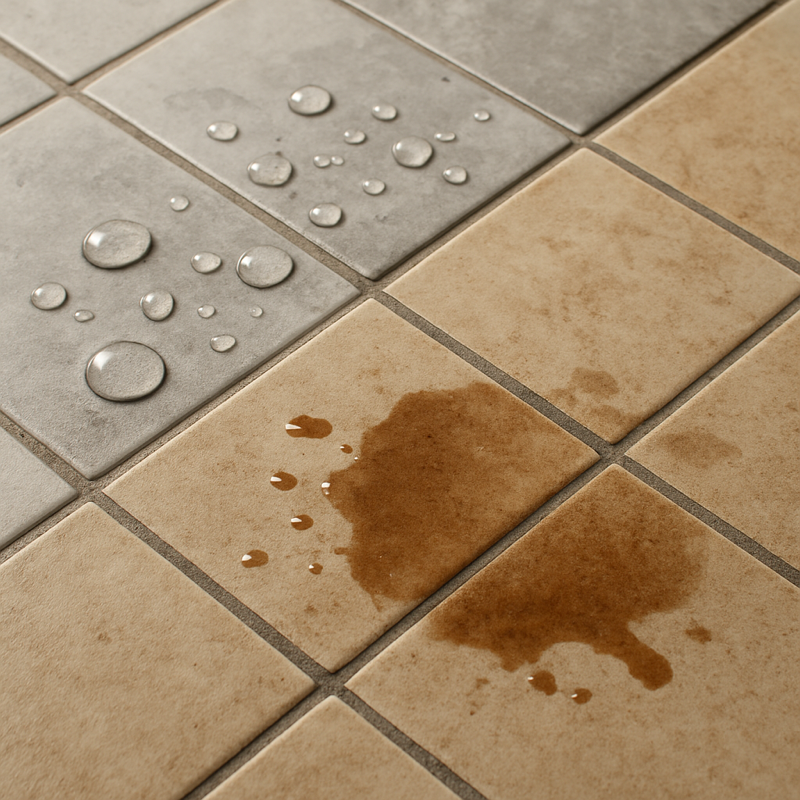
Sealer is a clear protective treatment that soaks into (or sits on top of) porous surfaces to help repel stains, moisture and grime.
Tile pros often talk about impregnators versus topical sealers:
Penetrating/impregnating sealers soak into stone or grout to protect from within, without changing the surface texture. They’re usually “natural look” or “enhancing” and don’t leave a film. A great example is AquaMix Penetrating Sealer, which sinks in to guard against everyday stains while keeping stone and grout looking natural.
Topical sealers sit on top like a clear coat. They can add shine and a slightly “finished” feel while still offering stain protection. Think of AquaMix High Gloss Sealer, which creates a protective, high-sheen layer on the surface.
Both types are about the same goal: keeping spills out of pores so stains don’t settle in.
“Isn’t grout a sealer?” (Short answer: no)
This comes up a lot, so let’s clear it up.
Grout and sealer are different products doing different jobs:
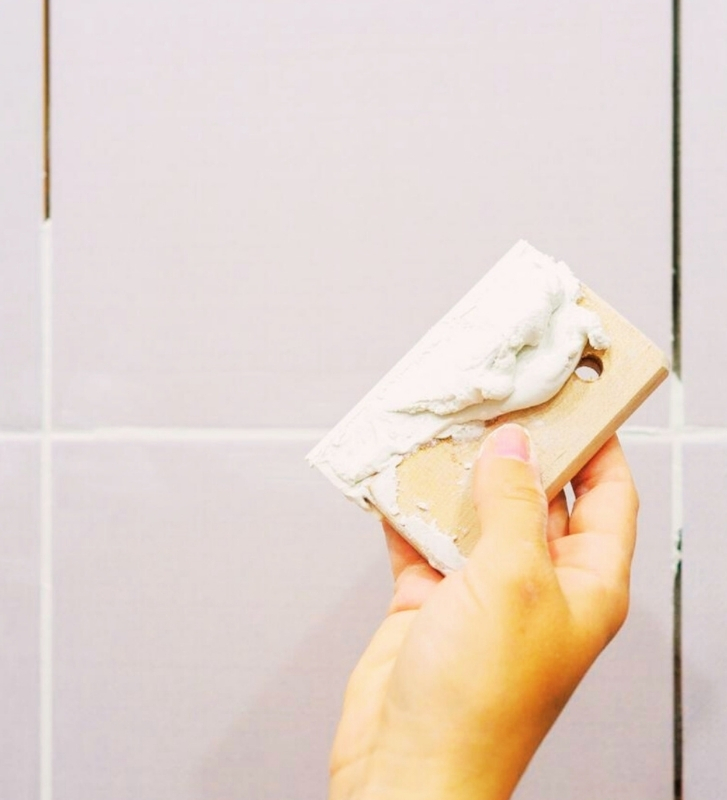
- Grout fills the joints between tiles and holds everything in place.
- Sealer protects that grout (and sometimes the tile or stone) from soaking up stains and moisture.
That said, some new generation grouts are formulated to be denser and more stain-resistant, so they don’t need a separate sealer. TileTown’s FAQ notes that traditional cement grouts benefit from a natural-look impregnator, but hi-tech grouts like MAPEI Flexcolor CQ are dense enough that an extra sealer isn’t required.
Products like Mapei Ultracolor Plus FA are also designed to reduce absorption and resist stains compared to standard grout, so they’re already doing some “built-in” protective work.
So yes, grout isn’t sealer, but modern grout can come with some sealer-style tech baked in. You still use a dedicated sealer when:
- You’re working with stone
- You’ve used traditional cement grout
- You want maximum, belt-and-suspenders level protection
Do you have to seal everything?
Not quite. Here’s the cheat sheet.
1. Natural stone tiles (marble, limestone, slate, travertine, etc.)
Stone is porous, which means it loves to drink in whatever lands on it. TileTown recommends sealing most stone tiles with an impregnator to help guard against oil and water-based stains.
Good picks from TileTown:
Want invisible protection?
Go for Aquamix Penetrating Sealer 946 ml. It’s an economical, no-sheen, water-based penetrating sealer that keeps the natural look while resisting stains.
Want that rich “wet” stone look without gloss?
Choose Aquamix Sealer Enrich N Seal 473 ml. It darkens and enriches unsealed natural stone and also protects grout joints.
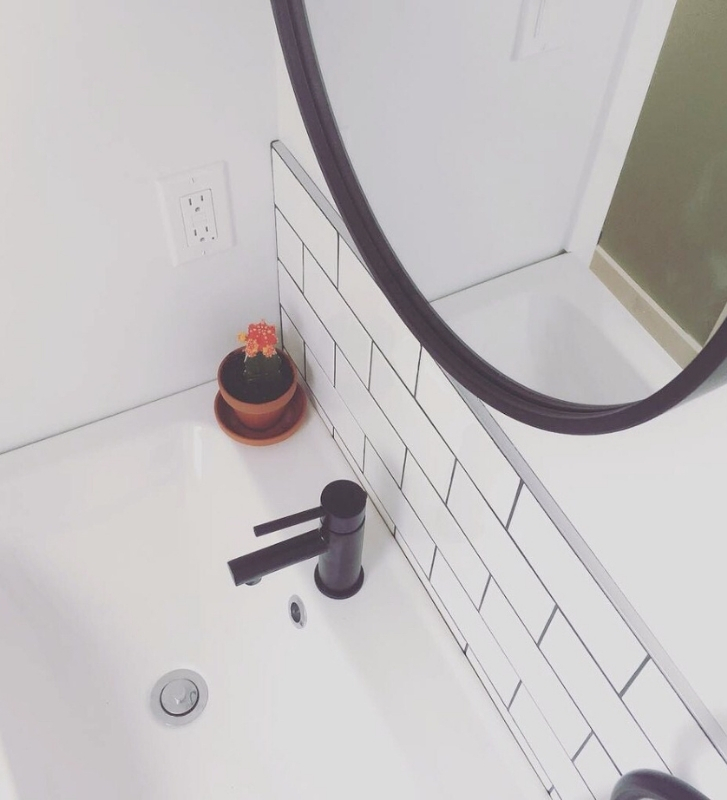
Lumiere White 4X16 Gloss Ceramic Subway Tile
2. Grout lines
You don’t have to seal grout, but traditional cement grouts definitely benefit from a natural-look impregnator.
If you want easy-to-clean grout:
Try Aquamix Grout Sealer 470 ml. It’s a water-based sealer that helps repel food, dirt and grease, inhibits mildew and bacteria and doesn’t change the grout’s appearance.
If you want fast, no-fuss spraying:
Reach for Aquamix Same Day Grout Sealer 444 ml. It’s a natural-look aerosol sealer with a 360° nozzle just for grout, and you can apply it as soon as 2 hours after grouting.
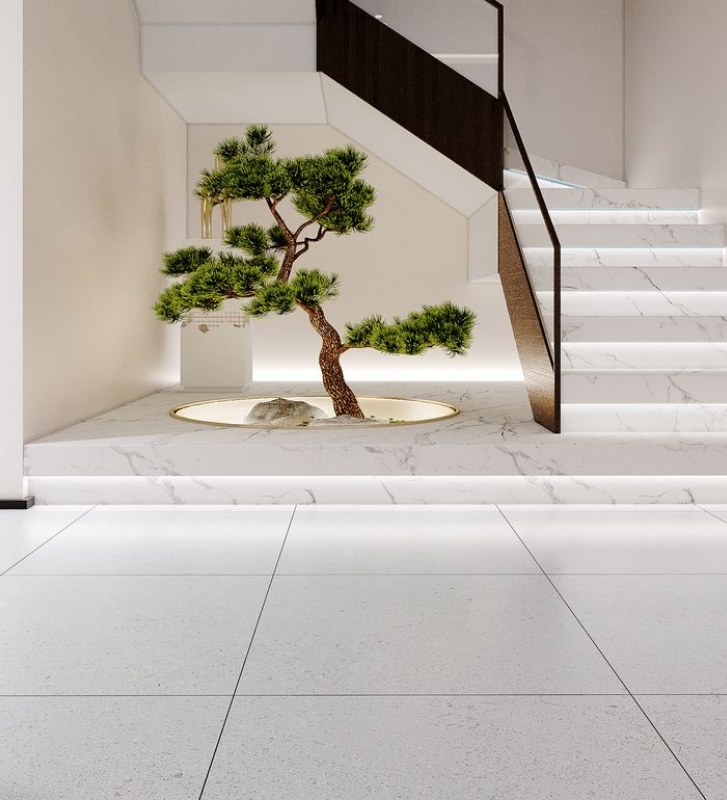
Aranya Ash 12×24 Glazed Porcelain Tile
3. Ceramic and porcelain tile
Many ceramic and porcelain tiles, especially glazed ones, are already very dense and don’t need sealing on the tile face. In some cases, unglazed polished porcelains are treated with an impregnating sealer at the factory or require one during installation, as TileTown notes in their FAQ.
You’ll almost always still seal the grout joints, not the whole tile surface, unless you’re working with a special porous tile or natural stone inlay.

4. When you actually want shine
If you like a glossy, sealed look on suitable tile or stone (think certain indoor floors or feature areas), a topical sealer adds both protection and sheen.
Aquamix High Gloss Sealer 946 ml is a water-based acrylic sealer that provides both a stain-resistant surface and a durable high-sheen finish in one step.
Always check the label to make sure your specific tile or stone is compatible before going glossy.
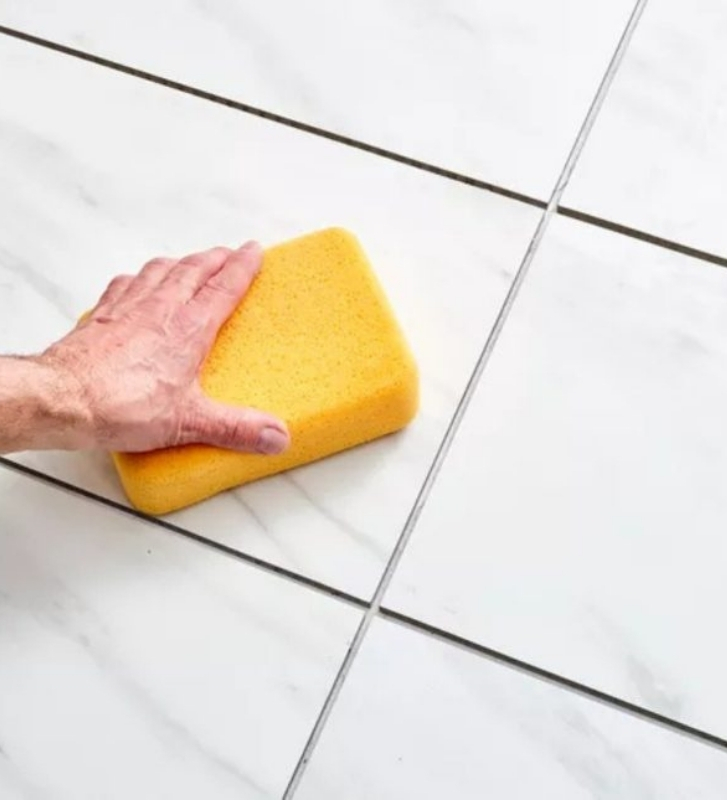
Cleaning, stripping and starting over
If you’re sealing an older installation, step one is always a good clean.
- For deep cleaning tile and grout in heavily used or neglected areas, TileTown carries options like Aqua Mix Heavy-Duty Tile & Grout Cleaner, which is designed to strip grease, soap scum and ground-in dirt before you seal again.
- For stubborn residues or old sealer build-up, Aquamix Abrasive Cleaner Nanoscrub 946 ml helps remove waxes, coating sealers, light grout residue and most sealer residues.
- If you need to take off old coatings completely, Aquamix Sealer & Coating Remover 946 ml is formulated to remove most sealers, epoxy grout haze, urethane coatings and deep-set stains.
Clean first, then seal. Your new sealer will work much better.
READ MORE: Five Ways to Clean Your Tiles Naturally: An Eco-Friendly Guide
How to seal in 5 simple steps
Exact instructions vary by product, but the basic rhythm is:
- Clean the surface
Remove grease, soap scum, old finishes and dust. Let everything dry fully. - Do a small test patch
Try your chosen sealer in an inconspicuous corner so you can check the look (especially with enhancing or gloss sealers) and make sure you like it. - Apply as directed
Use a sponge, applicator, sprayer or brush as per the label. Penetrating sealers are usually applied, allowed to soak, then wiped. Topical sealers are applied more like a thin, even coat. - Wipe off excess
Don’t leave puddles on the surface, especially on low-porosity tiles. For most penetrating products, you’ll buff off any residue after the dwell time. - Let it cure
Many sealers allow light foot traffic in a couple of hours, but full cure can take up to 24 hours or more. Follow the timing on the specific Aqua Mix product you’re using.
Not sure what you need? Bring us a photo (or a tile)
If you’re still wondering “Do I need to seal this?” or “Which one is right for my shower floor vs my kitchen backsplash?”, you don’t have to guess.
TileTown’s experts can match the right sealer to your surface, project and lifestyle. Visit one of our five locations in Victoria, Richmond, Langley or Edmonton, or try the online Room Visualizer to see how our in-stock tile looks in your space before you buy.
Seal it once, enjoy it for years. And if you’re still stuck, bring in a photo of your space or a spare tile and we’ll walk you through it in person.